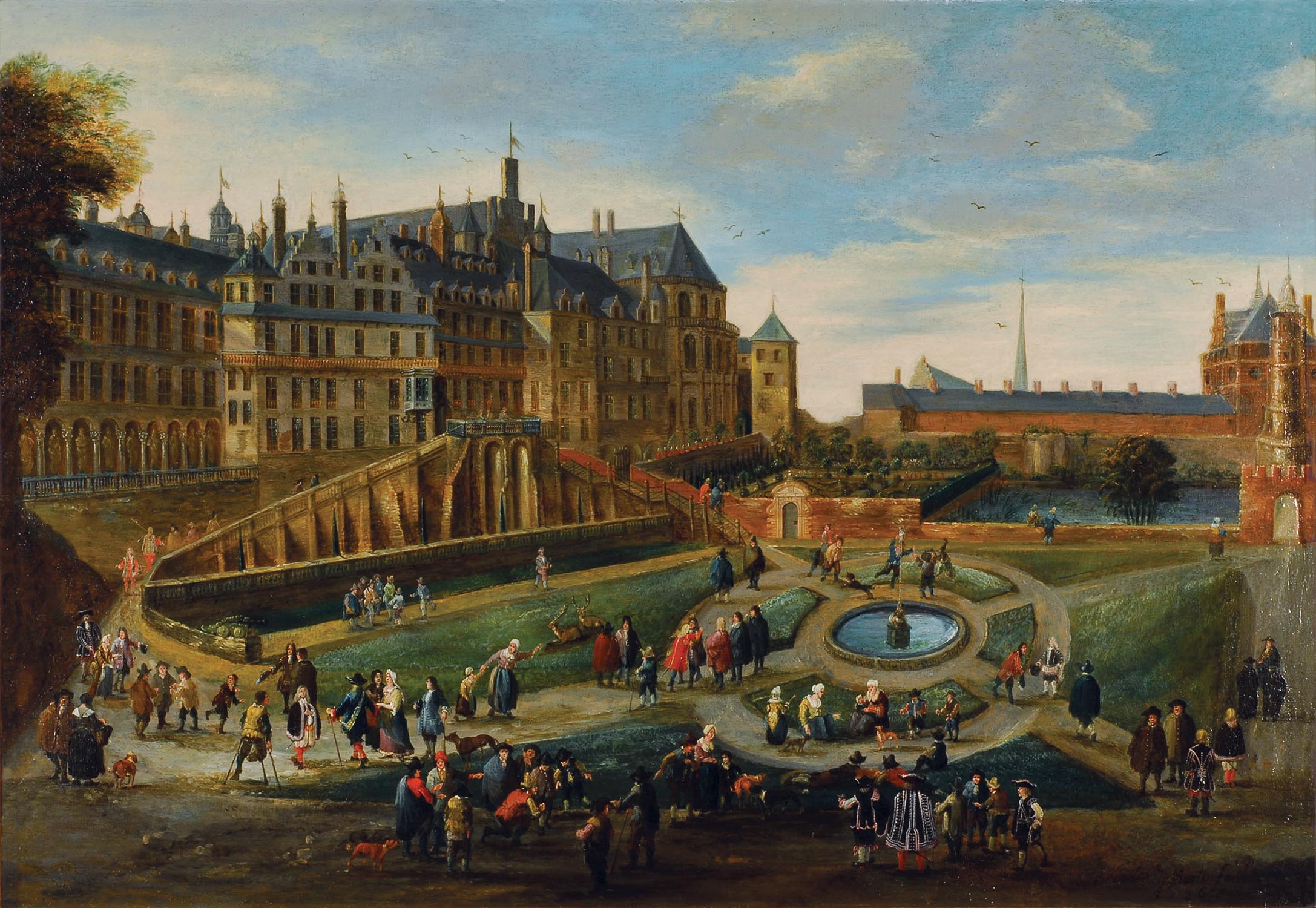
The 17th century was a pivotal period in the history of Flanders, marked by numerous wars, particularly the Eighty Years’ War, which concluded in the independence of the northern part of the United Provinces in 1648. However, this was also a period of truces, sometimes long, during which a fragile peace was established. Duke Albert and his wife, the Infanta Isabela, daughter of King Philip II of Spain, were notably behind the truce of 1609, which lasted until 1621. This period allowed the arts to develop rapidly, thanks to both local artists and those who came to Brussels from Spain, Italy, and Germany. From then on, Albert and Isabella expanded the Royal Chapel’s membership, increasing it in 1612 from twenty musicians to fifty members, and continuing to grow considerably until 1621. Chamber music also grew in scope and became independent of the chapel. The influence of Brussels’ institutions attracted numerous composers, such as Frescobaldi. After the death of Jean de Turnhout in 1614, Pedro Ruimonte and Géry de Ghersem succeeded each other in turn as directors of the Royal Chapel. The organ held an important place at the court of Duke Albert, who was likely fond of this instrument. In 1614, the chapel had five organists: amongs them Peter Philips and the renowned John Bull, who had fled religious persecution in England in 1613 and found refuge at the Brussels court. The Libros de la Razon are among the few surviving sources that provide details on the musicians active at court in the first quarter of the 17th century.
We offer a program that provides an overview of the musical landscape of Coudenberg Palace in the early 17th century, with both organ solo and adapted for wind instruments. The composers in this program all worked at court, either in the royal chapel for Gery de Ghersem and Jean de Turnout, or as organists for Peter Philips, Peeter Cornet, and John Bull.
Peter Philips (1560-1628), Aria del granduca
Peeter Cornet (1575-1633), Aria del Granduca, version orgue et instruments
Jean de Turnhout (1550-1614), Ghij meyskens die van der comenschap sijt
Pedro Ruimonte (1565-1627), Missa beata virgine (extracts)
Peter Philipps (1560-1628), Pavana dolorosa
Pedro Ruimonte (1565-1627), Mal guardara Ganado
Peter Philips (1560-1628), Fantaisie a 4
Peeter Cornet (1575-1633), Courante
Girolamo Frescobaldi (1583-1643), Canzon sesta a doi canto e basso
Peeter Cornet (1575-1633), Regina Caeli
Peter Philips (1560-1628), Pavana passamezzo
Cornelis Verdonck (1563-1625), Ave Maria
Peter Philips (1560-1628), Margott labourez les vignes
Cornelis Verdonck (1563-1625), Magnificat
Peter Cornet (1575-1633), Toccata del 3. Tono
John Bull (1562-1628), In Nomine IX
Cornelis Verdonck (1563-1625), Ave Gratia
John Bull (1562-1628), In Nomine XII
Giralamo Frescobaldi (1583-1643), Canzon quinta a quattro